
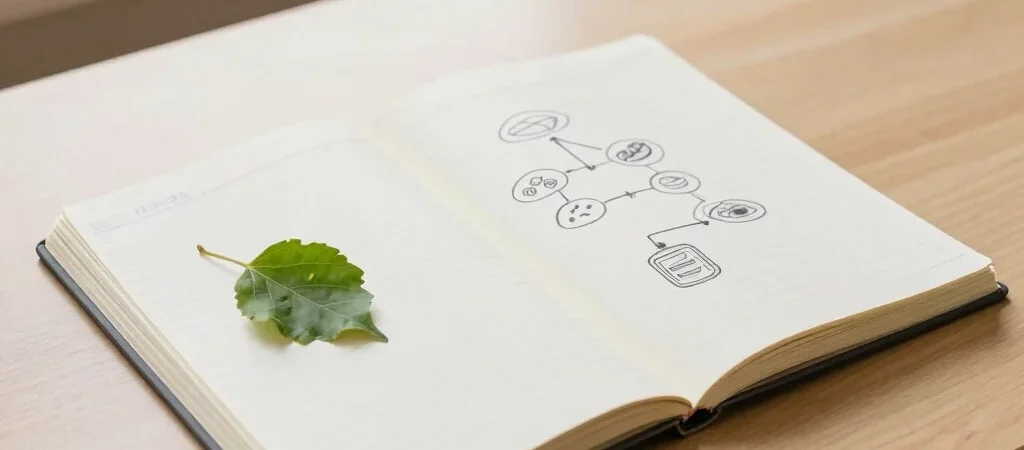
A biology lesson can begin outside the classroom: a leaf with tiny holes, ants crossing a sidewalk, or a plant leaning toward a window. Those details invite questions about living things and how they depend on their surroundings. If biology feels like a pile of new terms, start by noticing one relationship.
Begin With Living Systems
Ecosystems are a clear starting point because you can picture the pieces: plants, animals, water, sunlight, and the conditions they share. Follow one change, such as less rain, and ask what might happen to the plants and the animals that rely on them. This approach makes food webs and habitats feel connected rather than like separate vocabulary words.
Zoom In And Out
Biology topics can move from a whole habitat down to cells, the small building blocks that carry out many jobs in living things. Genetics offers another useful lens: it asks how traits are passed along and why family members can be alike without being identical. Try switching between scales when a topic feels abstract; a close-up view and a wider view can explain different parts of the same question.
Connect Class To Yourself
The human body makes biology personal without making it simple: digestion, breathing, and movement all involve systems working together. Pick one everyday action, such as taking a deep breath after climbing stairs, and ask which body parts help make it happen. From there, ecosystems, cells, genetics, and the human body become four paths into one larger subject: how living things work.