
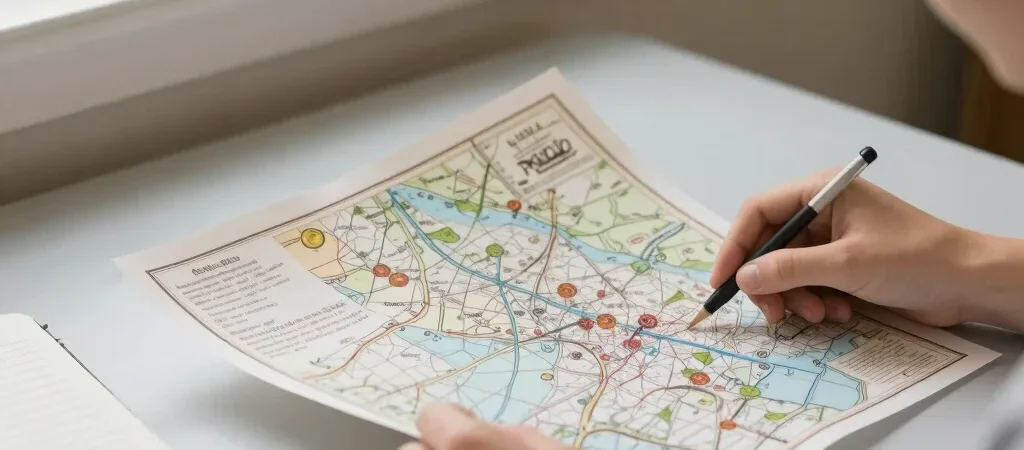
A faded map in a textbook is not just an illustration; it is evidence made by someone for a reason. Ask who created it, what they wanted a reader to notice, and whose point of view might be missing. Those questions are a practical way into history, especially when a date or dynasty feels far away.
Start With A Source
Primary sources include materials made during the time being studied, such as letters, photographs, laws, and newspaper pages. They can make an era more vivid, but one source rarely tells the whole story. Compare two accounts of the same event and look for differences in audience, purpose, and detail.
Follow A Place Over Time
Local history is a useful starting point because familiar places often hold traces of change: an old building, a street name, or a town map from another decade. Ask what changed, what stayed, and how those changes affected people who lived there. The same questions can lead outward to ancient civilizations, migration, and larger turning points.
Connect Past And Civics
Civics brings historical questions into the present by exploring how rules are made, how communities make decisions, and how people take part. A school policy or a community meeting can help make those ideas concrete before you study bigger institutions. Treat primary sources, local history, ancient societies, and civics as connected ways to ask who had influence and how communities changed.